Are beetle grubs harmful
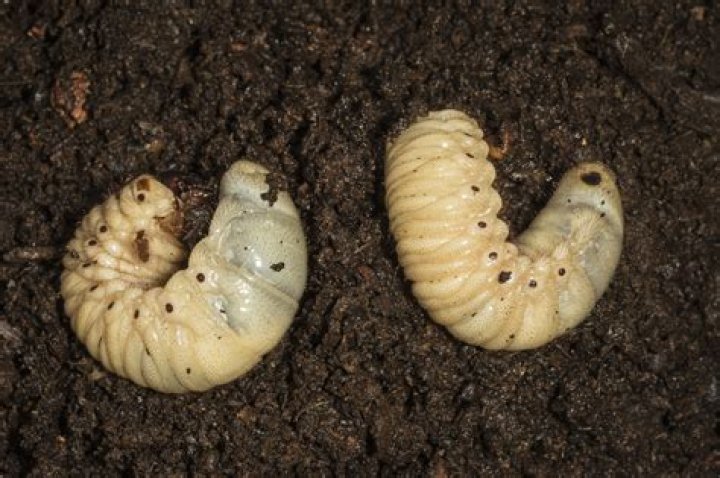
The answer to whether garden grubs will hurt your garden is a resounding yes. The term grub is used to describe the larval stage of beetles and weevils. These annoying pests feed on the roots of plants and turf grasses, which can cause severe and irreversible damage to the vegetation.
Are grubs harmful?
How bad are grubs for the lawn? Grubs, which are the larval, or immature, stage of several species of beetles and chafers, can damage a lawn by feeding on the roots of your grass. Healthier grass can tolerate more grub feeding, and all grass can tolerate some grub feeding.
Are beetle grubs good?
The fleshy, white pests not only look gross but they can also seriously damage vegetable plants. White grubs are the larval stage of beetles, and they consume plant matter to help them grow into full-fledged bugs, which can in turn also harm plants that could otherwise bear fruit or vegetables or simply look nice.
Are grub worms poisonous to humans?
Grub worms aren’t dangerous. They’re not toxic, and in fact, these insects can safely be eaten by dogs and even humans if they’re from sterilized soil. However, once these grub worms crawl in toxic soils, they may ingest them, making the dogs that eat them get sick.Do grubs carry diseases?
Grubs don’t carry diseases; their harm to us is only economic.
Are beetle grubs good for garden?
The answer to whether garden grubs will hurt your garden is a resounding yes. The term grub is used to describe the larval stage of beetles and weevils. These annoying pests feed on the roots of plants and turf grasses, which can cause severe and irreversible damage to the vegetation.
Is killing grubs bad?
Heavy infestations of curl grubs in garden soil can even cause plant death. … The good news is, if you kill the grubs in your soil, you’re also reducing the subsequent beetle population – and many of them are garden pests as well! Nearly all curl grubs emerge from the soil as adult beetles in May to June.
Can dogs smell grubs?
Lawn grubs are larvae from several types of insects, and they most commonly appear in late summer and early fall. … a dog’s sense of smell does indeed make it possible to smell grubs, even if they are in the ground. Digging – Once your dog locates a spot where there are grubs, they will start digging to get to them.Will eating grub worms hurt my dog?
Grub worms themselves aren’t harmful to dogs if eaten, reveals The Guardian. Unfortunately, the soils that the worms ingest and crawl through may contain toxic chemicals or the eggs of intestinal parasites, like roundworms, which can make your dog sick.
What do grubs turn into?Lawn Grubs, often called White Grubs, are the immature form of different Scarab Beetles, such as Japanese Beetles, June “bugs” (beetles) or the European Chafers. … A white grub eventually turns into adult Beetles and emerge from soil to mate and lay eggs.
Article first time published onAre lawn grubs bad for plants?
In their earliest phase, grubs feed on decaying organic matter. Once they become a bit bigger, white grubs will feed on grassroots, as well as roots of vegetables and flowers. In the late stages, white curl grubs tend to cause the most damage to lawns and garden beds as this is the time when they’re feeding the most.
Why do I have grubs in my garden?
Grubs 101: Grubs feed on the roots of grass and are the larvae of Japanese beetles, June beetles, European chafers, or other beetles. … As the soil warms in spring, they resurface and grub feeding starts again before they cocoon and become adult beetles—and the life cycle begins again.
Do grubs do anything good?
Grubs are most definitely not good for your garden. Grubs are pests that feed on the roots of all types of vegetation from plants to grass. They can cause irreparable damage to plant and vegetable gardens and destroy lawns.
What does grub damage look like in your yard?
Look For Lawn Grub Damage Grass with damaged roots will begin to thin, yellow, and die. Irregular patches of brown grass will appear in random places in your lawn. Grass will feel very spongy and will pull up very easily. Since the roots are damaged, the turf will often roll up like carpet.
Why are grubs on my driveway?
We have had several reports of white grubs on sidewalks and driveways. These are likely the larvae of the green June beetle being driven from the lawn by excess water. … The larvae feed primarily on organic matter such as thatch and grass clippings unlike the May beetle which feeds primarily on living grass roots.
What is the best treatment for grubs?
To kill grubs in the spring or fall, use carbaryl or trichlorfon. Always wear rubber gloves and rubber boots when applying insecticides to turfgrass. Make sure to irrigate the lawn with at least 0.5 inches of water* and allow the grass to dry before allowing anyone or pets into the treated area.
Are June bugs and grubs the same?
Grub worms are the larvae of June beetles, otherwise known as June Bugs. These common lawn pests are approximately ½ inch long and white in color with a brownish head. … Grub worms are found in top soil, and they feed on the roots of grass, weeds, and vegetables.
Do grubs bite?
Lawn grubs aren’t known to bite but, have a slimy texture on their skin that can cause irritation. Symptoms include serious irritation, rash, scratching, and redness.
Are grubs bad for tomato plants?
Grubs, when they chew on roots, decrease your tomato plant’s ability to take up enough water. … This can also damage your plants, ultimately killing them or severely reducing tomato yield.
Can chickens eat grubs?
Chickens will gladly gobble up grasshoppers, hookworms, potato beetles, termites, ticks, slugs, centipedes, spiders and scorpions. They’ll happily devour the larvae of ants, moths and termites, with a distinct partiality to beetle larvae—lawn grubs and mealworms, aka darkling beetle larvae.
Are nematodes safe for vegetable gardens?
Beneficial nematodes tolerate the tools gardeners use, such as insecticides, herbicides, and fertilizers, well. They can even survive for a while without nutrition as they search for an appropriate host. Beneficial nematodes can be purchased for the garden in the form of a spray or soil drench.
Why does my dog dig holes and eat dirt?
Coger, DVM, explains, “Dirt eating is a form of what is termed ‘pica,’ the ingestion of nonfood materials. There are many causes, including nutritional, behavioral, and physical. Stress or boredom can also lead to eating all sorts of things, including dirt.”
Is Grub be gone safe for pets?
Introducing Grub GONE! ® an all natural biological control product that specially targets and effectively eliminates destructive white grub larvae. … Grub GONE! ® is safe for people, pets, children, and off-target beneficial insects such as pollinators, birds and aquatics without any side effects or damage.
What if my puppy eats a worm?
Some of the things that an earthworm might run across on his errands include bacteria and other parasites that are harmful to dogs. Parasite Problems While bacteria could cause stomach upset in your pet your biggest worry should be roundworms. … So don’t let your dog eat the earthworms and keep him and you parasite free.
Do grubs come out at night?
They will come out of the ground at night and move across the soil surface on their backs before burrowing back down into the soil.
What do maggots look like in dog poop?
Whipworms look like tiny pieces of thread that are enlarged on one end. Roundworms look like spaghetti and may be several inches long. Tapeworms aren’t usually seen in dog poop, but their egg sacs, which look like grains of rice, can be found in dog poop or sticking to a dog’s behind.
Are grub worms Japanese beetles?
While most people think all lawn grubs are the larvae of Japanese beetles, there are actually several species of beetles that are called grub worms in their larval stage. … Left unchecked, they are capable of causing conspicuous damage to our lawns (more on what their damage looks like below).
Are white grubs poisonous to humans?
While white grubs aren’t poisonous or at all harmful to people, they are very harmful to grass and lawns – especially if they appear in high numbers. When the grubs begin to feed, they can actually sever the root systems of the grass.
How do you get rid of grubs fast?
To get rid of grubs naturally using dish soap, mix dawn soap with water and spray it over the infested area. The dish soaps solutions smothers and suffocates grub worms and Japanese beetles, killing them in the process. This DIY solution can also kill adult beetles and prevent them from laying eggs in your lawn.
How do you get rid of grubs naturally?
- Encourage birds to hang out in your yard. …
- Feed your chickens. …
- Limit irrigation. …
- Relocate them. …
- Treat with milky spore. …
- Introduce beneficial nematodes. …
- Apply neem oil. …
- Repel the beetles.
How do I get rid of grubs in my raised beds?
If you’re only facing a minor grub infestation, try mixing 1 part lemon-scented dish detergent with 2 parts water. Spray the soil with this mixture. The lemon detergent irritates the grubs and makes them climb to the surface of the dirt. Then you can hand-remove them and discard.
