Does polymeric sand wash away
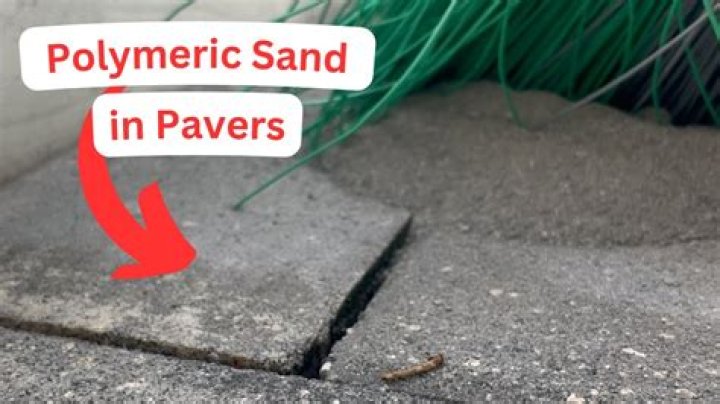
installation. A danger of using too much water too quick creates the possibility of washing away the polymers. Too little water used in the installation process could leave you with a fragile joint. … With the first heavy rain-fall, the top layer of hardened sand could break and easily wash out of the joints.
How do you keep polymeric sand from washing out?
To protect joint sand from washing out between pavers it needs to be sealed. Once the pavers are cleaned and new joint sand is installed the entire surface can be sealed. This can enhance the beauty of the pavers and help to lock out moisture.
Will rain wash away polymeric sand?
If a tropical downpour takes place within that first hour, there’s a good chance that the polymeric sand will wash out of the joints and spill onto the surface of the pavers. … To avoid this, we always recommend checking the weather before starting any polymeric sand job.
Does polymeric sand wash out?
If you use chemical-based paving sand such as polymeric sand you will need to completely remove it and replace it with new material if it cracks or washes away. However, with EnviroSAND you can top up whenever your paving sand is 1/8 inch or more below the chamfer on your paving stones.How do you remove dried polymeric sand from pavers?
For even better performance, use a hot water pressure washer at 180 ° F. The heat will reactivate the polymers in the product and allow you to strip away the sand. If it’s a smaller paver area, use boiling water.
What happens if you over water polymeric sand?
A danger of using too much water too quick creates the possibility of washing away the polymers. Too little water used in the installation process could leave you with a fragile joint. If the joint is not properly watered to at least 2/3’s depth, a hardened crust may form at the top of the joint.
Can you leave polymeric sand overnight?
Best appearance is achieved by eliminating all polymeric jointing sand from surfaces. A minimum of 24 hours drying time is required prior to allowing foot traffic and 48 hours for vehicular traffic on the paver surface.
How hard is it to remove polymeric sand?
Polymeric Sand on Pavers Knowing how to remove polymeric sand from pavers is not difficult, just time consuming and tedious. Warm to hot water actually reactivates the polymers within the sand and allows you to scrub or wash away the sand that is stuck to the surface of the pavers.How long should polymeric sand last?
Polymeric sand can last up to 10 years before replacement is necessary. However, certain manufacturers claim some products can last up to 15 years.
Should I reapply polymeric sand?Unfortunately with polymeric sand replacement, you can’t just uproot any weeds and top it up. … Secondly, you will have to wait a day while the surface dries before you can reapply your new sand. Remember polymeric sand and moisture don’t mix until after it’s in the joints!
Article first time published onHow long does polymeric sand rain last?
how long does it take after the last rain to install polymer sand? In general, it is recommended to wait at least 24 hours after any significant rainfall to proceed with the installation of polymeric sand.
How long should polymeric sand dry before sealing?
If us- ing polymeric sand, you can install it after the sealer application has properly cured for 24 – 48 hours. If polymeric sand is installed prior to sealing, be sure surface is dry for 24 hours before applying sealer.
Why is my polymeric sand coming out?
A polymeric sand installation requires the use of a controlled and methodical watering technique. Using too much water can cause the sand to wash out of the joints. On the contrary, using too little can result in the product not setting up properly.
Why did my pavers turned white?
The phenomenon of efflorescence occurs when water soluble salts migrate to the surface of the paver with the help of water (i.e., condensation, rain). Once the mixture of water reaches the surface, it mixes with the carbon dioxide in the air and creates a white haze/film that covers the pavers.
Can you hand tamp polymeric sand?
Using a broom, spread sand over the patio and into the gaps between the pavers. … Once you have swept the sand into the paver joints, a hand tamp should be used over the entire paver area in order to “vibrate” the sand further into the joints.
When can you walk on pavers after polymeric sand?
Let your pavers rest Keep away from walks and patios for at least 24 hours. If the pavers are for your driveway, wait 48 hours before driving over them, It’s also best to wait a full 30 days before you try to clean or seal your pavers. They need weeks to fully cure.
How many times should I water polymeric sand?
Generally speaking, you’ll want to perform three rounds of watering. The initial showering should be done at a height of about 4 ft. Wait no more than three to four minutes before performing the second round of showering at a height of about 2 ft.
How large of a gap can you fill with polymeric sand?
How Big a Gap Can Polymeric Sand Fill? Polymeric sand works best to fill gaps between 1/4 inch and 1.5 inches wide. Wider joints will require more time to harden.
Does polymeric sand get soft after rain?
Unlike conventional sand it stays in place and remains stable. It softens when wet and firms up when dry to better resist soil movements.
What can I do with leftover polymeric sand?
If you have leftover polymeric sand from your project (and it’s still in the bags), the bags can stored in a dry location for future use. Properly stored and kept in a low humidity environment in its original unopened bags, our polymeric sands should be usable for up to five years.
Do I need a compactor for polymeric sand?
One of the most important steps in a polymeric sand installation is proper compaction of the sand into the joints. Ideally this is done using a vibratory plate compactor. … This is why it’s important to sweep in more sand to ensure the joints get filled up to 1/8 inch (3mm) below the paver’s edge or chamfer.
Can polymeric sand be topped up?
Top-up is never recommended…the top-up portion won’t bond together with the rest of the polymeric sand…
Is polymeric sand waterproof?
Most polymeric sand varieties can only be activated once and are waterproof thereafter. However, there are varieties available that have the ability to be softened by water to facilitate the correction of minor imperfections. Twenty-four hours are required for the pavers to lock completely.
Does polymeric sand stay flexible?
Polymeric sand was invented by Techniseal in 1999, and it has revolutionized the installation of interlocking concrete pavers. It is a sand that hardens once it is activated and has dried and yet remains flexible when it is wet.
How do you fix polymeric sand that didn't Harden?
Polymeric sand cures by drying. And in order to fully set, it needs to dry out completely. If your polymeric sand didn’t harden up, it’s pretty much guaranteed there’s a moisture issue. If the joints remain wet after the installation, they will remain soft until they dry.
Can polymeric sand go bad?
The introduction of Polymeric Sand to the interlocking paver industry has had a positive impact when the application works as intended. However when is goes bad it can go really bad.
Why is polymeric sand bad?
Over time, the sand in between paving stones will erode and begin to fade. For the DIY pathway, this means you will need to fix the pathway in as little as 1-2 years, depending on weather changes. Polymeric sand problems lead to the inability to replace any of the paving stones that have eroded or have damage.
