Is palliative sedation legal
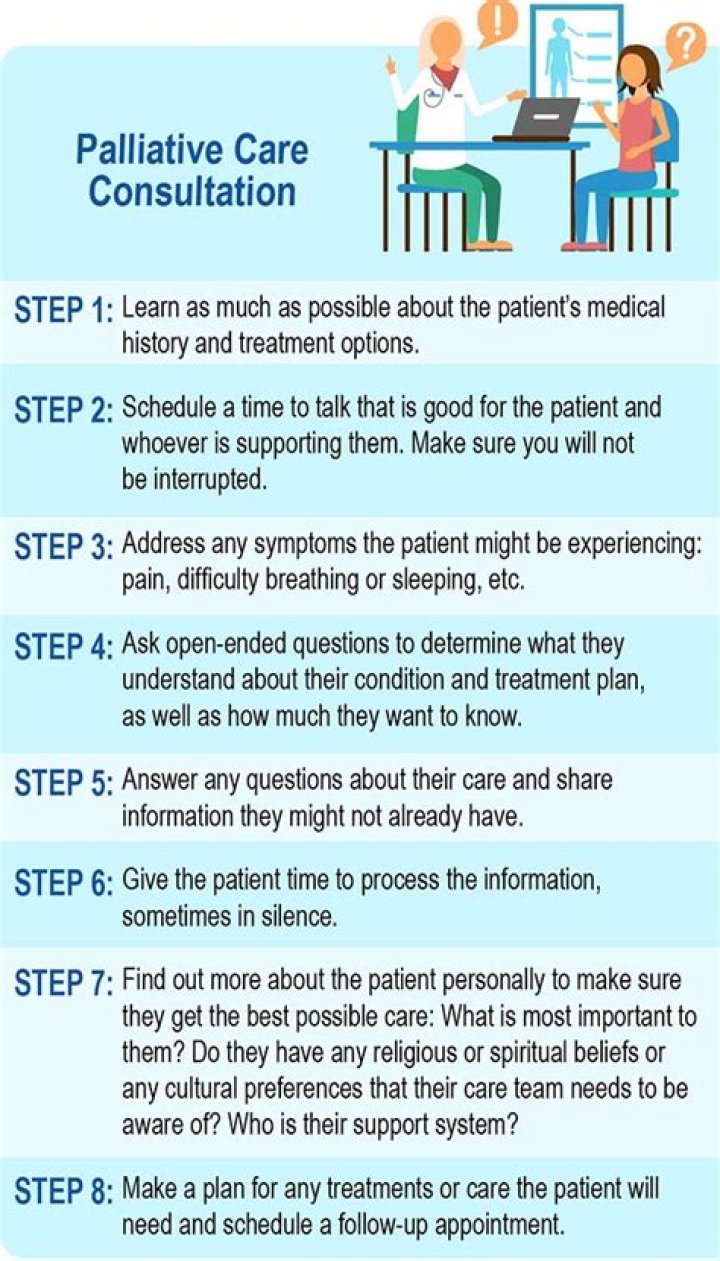
Palliative sedation, though, has been administered since the hospice care movement began in the 1960s and is legal everywhere. Doctors in Catholic hospitals practice palliative sedation even though the Catholic Church opposes aid-in-dying.
Is palliative sedation legal in the UK?
They can request palliative sedation, refuse artificial nutrition and hydration, or request the removal of life-sustaining medical treatment or equipment. But British law denies the patient the right to a physician’s assistance in ending their own life.
What drugs are used for palliative sedation?
The medications used for palliative sedation vary, but benzodiazepines and barbiturates are favored agents. Other medications used include the phenothiazine chlorpromazine, the butyrophenonehaloperidol, and the anesthetic agent propofol.
Is palliative sedation intentional?
‘Palliation sedation’ is a widely used term to describe the intentional administration of sedatives to reduce a dying person’s consciousness to relieve intolerable suffering from refractory symptoms.Does palliative sedation hasten death?
Fact: It is disease progression that causes the body to gradually shut down and eventually die. Patients with poorly controlled pain, shortness of breath, and agitation actually die sooner because of the stress caused by this suffering. Studies clearly demonstrate that palliative sedation does not hasten death.
How long does palliative sedation last?
Some physicians estimate that this practice shortens life by ≤24 hours for 40% of people and > 1 week for 27% of people. Another study reported people receiving sedation in their last week of life survived longer than those who did not receive sedation, or only received sedation during last 48 hours of life.
Is palliative sedation a form of euthanasia?
Not Euthanasia But many doctors who use palliative sedation say the bright line that distinguishes palliative sedation from euthanasia, including aid-in-dying, is intent. “There are people who believe they are the same.
What is palliative sedation therapy?
Continuous palliative sedation therapy is the use of ongoing sedation for symptom management, considered during the end of life when a patient is close to death (ie, within hours or days3 or up to the last 2 weeks of life1) and continued until the patient’s death.When do you start palliative sedation?
Palliative sedation is indicated when there is intractable distress in patients who are terminally ill or dying. It is a palliative practice geared toward providing relief from pain, anxiety, agitation in patients who otherwise have a short lifespan.
What is the death rattle mean?Terminal respiratory secretions, commonly known as a “death rattle,” occur when mucous and saliva build up in the patient’s throat. As the patient becomes weaker and/or loses consciousness, they can lose the ability to clear their throat or swallow.
Article first time published onWhy is midazolam used for end of life care?
The indications for its use include anxiety, dyspnea, seizures, vomiting refractory to treatment, agitation, myoclonus, status epilepticus, restlessness, delirium, pruritus, hiccups, insomnia, analgosedation, palliative sedation and preventing or counteracting undesired effects of ketamine.
Why is Midazolam given at end of life?
Muscle spasm. Parenteral benzodiazepines, such as midazolam, can be used to relieve muscle spasm and spasticity in the last days of life (Table 3).
What is an end of life prescription?
Anticipatory medicines are sometimes also called end of life medicines or just in case medicines. It’s common to prescribe medicine for pain, anxiety and agitation, nausea and vomiting and noisy respiratory secretions.
Can patients hear you when they are sedated?
Nursing and other medical staff usually talk to sedated people and tell them what is happening as they may be able to hear even if they can’t respond. Some people had only vague memories whilst under sedation. They’d heard voices but couldn’t remember the conversations or the people involved.
Is terminal sedation painful?
004); if only symptoms that were strongly present were considered, patients receiving terminal sedation not only experienced these symptoms but also were significantly more often reported to have pain and dyspnea and more often felt very ill than patients receiving euthanasia (data not shown).
Is a syringe driver only used at end of life?
Syringe drivers are often used in the last few weeks and days of life. They are not only used at this stage though. They can be useful for managing symptoms at any stage.
Can palliative sedation be done at home?
“We concluded that palliative sedation may be used safely and efficaciously to treat dying cancer patients with refractory symptoms at home,” said Alonso-Babarro, who added: “To our knowledge, this is one of first studies addressing PS in the home setting to demonstrate the safety and efficacy of at-home PS …
Does Palliative Care speed up death?
1. Myth: Palliative care hastens death. Fact: Palliative care does not hasten death. It provides comfort and the best quality of life from diagnosis of an advanced illness until end of life.
How is conscious sedation administered?
You may receive the medicine through an intravenous line (IV, in a vein) or a shot into a muscle. You will begin to feel drowsy and relaxed very quickly. If your doctor gives you the medicine to swallow, you will feel the effects after about 30 to 60 minutes.
When someone is dying what do they see?
Hallucinations. It is not unusual for a person who is dying to experience some hallucinations or distorted visions. Although this may seem concerning, a person caring for a dying loved one should not be alarmed.
Does a dying person know they are dying?
But there is no certainty as to when or how it will happen. A conscious dying person can know if they are on the verge of dying. Some feel immense pain for hours before dying, while others die in seconds. This awareness of approaching death is most pronounced in people with terminal conditions such as cancer.
Can you smell death coming?
Living bacteria in the body, particularly in the bowels, play a major role in this decomposition process, or putrefaction. This decay produces a very potent odor. “Even within a half hour, you can smell death in the room,” he says. “It has a very distinct smell.”
Why is Ativan given at end of life?
It is indeed extremely common for hospice to use morphine and lorazepam (brand name Ativan) to treat end-of-life symptoms. That’s because many people on hospice are suffering from troubling symptoms that these medications can relieve, such as pain, shortness of breath, anxiety, and agitation.
What is terminal restlessness?
Terminal restlessness is a syndrome that may occur near the end of life. It is also known as terminal agitation or terminal delirium. People who experience it show signs of physical, emotional, and/or spiritual restlessness. These may include anxiety, agitation, and cognitive decline in the days leading to death.
What are the two serious side effects of midazolam?
Nausea, vomiting, dizziness, or drowsiness may occur. If any of these effects persist or worsen, notify the doctor or pharmacist promptly.
Does midazolam put you to sleep?
Versed (midazolam) is a benzodiazepine, a type of drug that causes relaxation, sleepiness, and partial or complete loss of memory during use. It’s commonly used to help you better tolerate a medical procedure.
Where do you inject midazolam?
This medication is given by slow injection into a vein or muscle as directed by your doctor. It is usually given by a health care professional.
Can you overdose on midazolam?
The symptoms of midazolam overdose are mainly an intensification of the therapeutic effects and may lead to coma, cardiorespiratory depression, and apnea (13). The effects of overdose can be controlled with the benzodiazepines antagonist flumazenil (Anexate).
How do you know when death is hours away?
When a person is just hours from death, you will notice changes in their breathing: The rate changes from a normal rate and rhythm to a new pattern of several rapid breaths followed by a period of no breathing (apnea). This is known as Cheyne-Stokes breathing—named for the person who first described it.
What are the signs of last days of life?
- Breathing difficulties. Patients may go long periods without breathing, followed by quick breaths. …
- Drop in body temperature and blood pressure. …
- Less desire for food or drink. …
- Changes in sleeping patterns. …
- Confusion or withdraw.
What are the last stages before death?
- Withdrawal from the External World.
- Visions and Hallucinations.
- Loss of Appetite.
- Change in Bowel and Bladder Functions.
- Confusion, Restlessness, and Agitation.
- Changes in Breathing, Congestion in Lungs or Throat.
- Change in Skin Temperature and Color.
- Hospice Death.
