What is RSV pneumonia
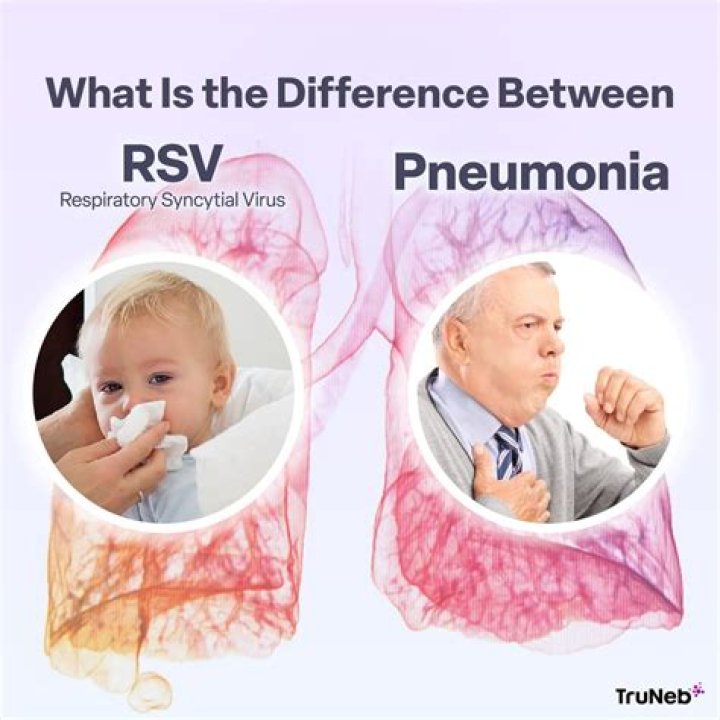
RSV is the most common cause of bronchiolitis (inflammation of the small airways in the lung) and pneumonia (infection of the lungs) in children younger than 1 year of age in the United States. Know the symptoms to look for and how to care for people with RSV.
Is RSV life threatening?
RSV, or respiratory syncytial virus, is a seasonal illness that has been commonly overlooked even though it affects about 97% of children by the age of two. This is because the symptoms are similar to that of the common cold and are normally mild. But for some, RSV can be severe and even life threatening.
How do adults get RSV?
RSV is an airborne virus that can be spread a few different ways, including: Coughs and sneezes of an infected person. Droplets of the virus from a cough and sneeze getting into your eyes, nose or mouth. Touching your eyes, nose or mouth after coming in contact with a surface infected with the virus.
How do you get RSV virus?
- An infected person coughs or sneezes.
- You get virus droplets from a cough or sneeze in your eyes, nose, or mouth.
- You touch a surface that has the virus on it, like a doorknob, and then touch your face before washing your hands.
Can you have RSV and Covid?
COVID-19 can also cause severe illness, though this is less common in kids than in adults. According to the Houston Chronicle, Texas Children’s Hospital in Houston has reported 25 cases—“and counting”—of children with both RSV and COVID.
Can RSV turn into pneumonia?
RSV can cause more serious health problems RSV can also cause more severe infections such as bronchiolitis, an inflammation of the small airways in the lung, and pneumonia, an infection of the lungs. It is the most common cause of bronchiolitis and pneumonia in children younger than 1 year of age.
How long does it take to recover from RSV?
It takes between two to eight days from the time a person is exposed to the RSV to show symptoms. Symptoms generally last three to seven days. Most children and adults recover fully in one to two weeks.
What is the fastest way to cure RSV?
- Create moist air to breathe. …
- Drink fluids. …
- Try saline nasal drops. …
- Use over-the-counter pain relievers. …
- Stay away from cigarette smoke.
What are the first signs of RSV?
Initial signs of RSV are similar to mild cold symptoms, including congestion, runny nose, fever, cough and sore throat. Very young infants may be irritable, fatigued and have breathing difficulties. Normally these symptoms will clear up on their own in a few days.
How do you get rid of RSV in adults?RSV treatment in adults is supportive, including antipyretics, supplemental oxygen, and intravenous fluids as needed. 31 Inhaled or systemic corticosteroids and bronchodilators may be used for elderly patients or patients with preexisting pulmonary conditions (e.g., asthma, COPD) with acute wheezing.
Article first time published onWhat medication is used to treat RSV?
Medications to treat respiratory syncytial virus (RSV) infection include the antiviral drug ribavirin, which can be used in severe high-risk cases, and bronchodilators. The efficacy of bronchodilators or racemic epinephrine in treating RSV disease remains unproved.
How long is Covid contagious?
For most children and adults with symptomatic SARS-CoV-2, the virus that causes COVID-19, infection, isolation, and precautions can be discontinued 10 days after symptom onset and after resolution of fever for at least 24 hours and improvement of other symptoms.
How long does it take for RSV to turn into pneumonia?
For instance, if a child develops pneumonia from a cold caused by respiratory syncytial virus (RSV), it takes 4 to 6 days for symptoms to appear; for the flu virus, symptoms start after 18 to 72 hours. Pneumonia caused by bacterial infections can last 1 to 2 weeks with appropriate antibiotics.
What are the 4 stages of pneumonia?
- Stage 1: Congestion. During the congestion phase, the lungs become very heavy and congested due to infectious fluid that has accumulated in the air sacs. …
- Stage 2: Red hepatization. …
- Stage 3: Gray hepatization. …
- Stage 4: Resolution.
How long does Covid pneumonia last?
For the 15% of infected individuals who develop moderate to severe COVID-19 and are admitted to the hospital for a few days and require oxygen, the average recovery time ranges between three to six weeks.
Is RSV the same as a cold?
Yes. RSV spreads just like a common-cold virus―from one person to another. It enters the body through the nose or eyes or, usually from: Direct person-to-person contact with saliva, mucus, or nasal discharge.
Can parents catch RSV?
Parents and other adults can easily infect young children with RSV. Because RSV symptoms resemble those of the common cold (runny nose, sore throat, mild headache, cough, and sometimes a fever), parents and other adults may not realize they are infected with the virus but can still be contagious.
Is RSV the same as pneumonia?
Pneumonia. RSV is the most common cause of inflammation of the lungs (pneumonia) or the lungs’ airways (bronchiolitis) in infants. These complications can occur when the virus spreads to the lower respiratory tract.
Can RSV cause heart problems?
Not unlike influenza, the respiratory syncytial virus (RSV) appears to have detrimental effects on the heart including an increased risk of cardiovascular complications among individuals with and without preexisting cardiovascular disease, according to a new review.
Can you catch RSV more than once?
Infants and older adults may develop severe infections from RSV, such as pneumonia or bronchiolitis. Most kids get an RSV infection by age 2. However, you can get an RSV infection at any age and more than once in your lifetime.
Does RSV respond to antibiotics?
Hospitalised children with RSV infection are often given antibiotics,4–6 although rapid detection techniques for RSV are routine,7 and two randomised controlled trials have shown that antibiotics are of no added benefit in children with uncomplicated RSV infection.
Are steroids used to treat RSV?
The use of steroids to treat infants with reactive airway disease is a common practice. This therapy is often expanded to infants with severe RSV bronchiolitis. Most clinical studies evaluating steroid use with RSV bronchiolitis have been small and therefore underpowered.
Will a breathing treatment help RSV?
In a small percentage of children who have wheezing with RSV, a breathing treatment with albuterol may help to provide short-term relief of symptoms (NOTE: albuterol does not affect the RSV virus that is causing the symptoms, only some of the symptoms caused by it).
Can I test positive for Covid 19 after recovering?
Research shows many individuals who recover from COVID-19 may continue testing positive for the virus for weeks to months, despite no longer being contagious.
Does RSV cause permanent lung damage?
As a rule, RSV just causes a common cold and after a few days goes away. But it can cause far more serious problems including overwhelming pneumonia. Lung infections with RSV can leave permanent lung damage and even lead to death. A new drug for RSV is palivizumab (Synagis).
What are the symptoms of dying from pneumonia?
- feeling more severely out of breath.
- reducing lung function making breathing harder.
- having frequent flare-ups.
- finding it difficult to maintain a healthy body weight due to loss of appetite.
- feeling more anxious and depressed.
Is fluid on the lungs pneumonia?
Pneumonia is an infection of the lungs that may be caused by bacteria, viruses, or fungi. The infection causes the lungs’ air sacs (alveoli) to become inflamed and fill up with fluid or pus.
How do pneumonia feel?
Rapid, shallow breathing. Sharp or stabbing chest pain that gets worse when you breathe deeply or cough. Loss of appetite, low energy, and fatigue. Nausea and vomiting, especially in small children.
